
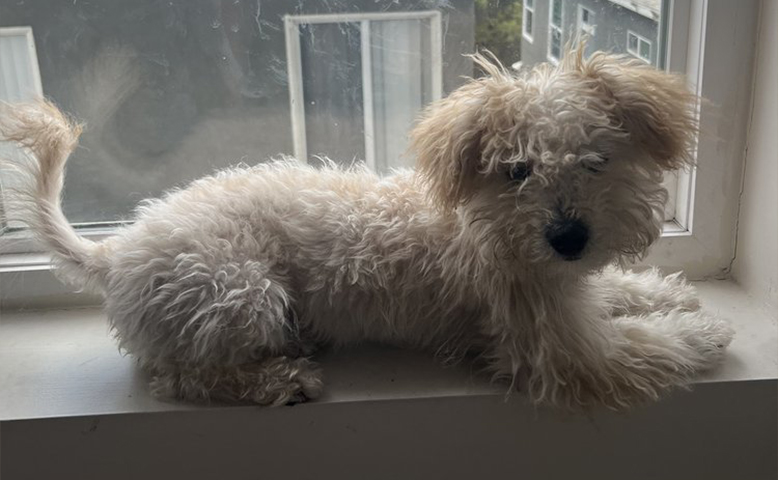
A good coat keeps a pet warm, cool, and safe from the sun and scrapes. But fur keeps growing, and it can turn from “cute” to “trouble” fast. Long hair can twist, trap dirt, and form tight knots called mats. Mats pull on the skin like a tight rubber band, which can hurt and even hide sores. Some pets also get hair that blocks their eyes, traps moisture, or packs between paw pads. A haircut is not just about looks. It can help your pet move better, stay cleaner, and feel less itchy. Use the signs below to decide when it’s time to book a trim before mats take over.
You Feel Lumps That Are Really Hair Mats
If you pet your dog or cat and feel “bumps,” check closely. Many times, those lumps are mats, not body lumps. Mats form when loose hair mixes with oils, dirt, and moisture. They often start behind the ears, under the collar, in the armpits, and near the tail. A small mat can grow fast once it tightens and grabs more hair.
Quick check: Run your fingers like a comb through the coat. If your fingers stop or the hair feels stuck to the skin, that’s a warning.
Look for:
- Hair that feels hard, thick, or “felt-like.”
- Skin that looks pulled or wrinkled under a knot
- Your pet flinching when you touch certain spots
Why it matters: Tight mats reduce airflow to the skin. That can raise the risk of hot spots (red, wet skin) and can trap fleas or ticks. In severe cases, mats can cut off healthy blood flow to the skin surface.
Brushing Takes Longer And Causes More Fuss
Brushing should be calm and quick for most pets. If brushing time keeps growing, the coat may be too long or too packed with loose undercoat. Some breeds have a double coat (a soft undercoat plus a top coat). When the undercoat sheds, it can tangle into the longer hair if it isn’t removed.
Signs brushing is getting too hard:
- Your brush skips over areas and won’t go through
- You hear “snap” sounds as it hits knots
- Your pet tries to bite the brush, wiggle away, or hide
Simple technical tip: A slicker brush can lift loose hair on many coats, but it won’t fix tight mats near the skin. Pulling on mats can hurt and may make your pet fear grooming. If you can’t gently brush through a spot with light pressure, it’s safer to plan a trim. A haircut can reset the coat, so brushing is easy again.
Fur Blocks Eyes, Ears, Or Gets Into Mouth
Hair that covers the eyes can cause rubbing and tears. Hair that grows into the ear opening can trap wax and moisture, which may support yeast and bacteria. Some pets also get long hair around the mouth that stays wet after drinking. That wet hair can smell bad and can irritate the skin around the lips.
Watch for:
- Squinting or eye watering
- Head shaking or ear scratching
- “Beard” hair that stays damp and smells sour
Why it matters: When hair blocks vision, pets may bump into things or feel unsure on stairs. Around the ears, trapped moisture raises the chance of infection. A neat face trim helps keep eyes clear and improves airflow near the ears. It also makes it easier for you to spot redness, discharge, or swelling early.
Your Pet Smells Musty Even After Bath
A bath helps, but long fur can hold smells if it traps oils, dirt, or moisture close to the skin. Mats are especially good at trapping grime. Also, some coats dry slowly, and skin that stays damp can develop yeast overgrowth. That often smells musty, like old towels.
Clues the coat is holding odor:
- Smell comes back within a day or two
- The smell is worse in skin folds, the groin, or underarms
- You find damp spots that don’t dry well
Mini checklist after a bath:
- Does the coat dry all the way to the skin?
- Do you notice sticky or oily areas near the tail base?
- Are there spots where hair clumps together when wet?
Technical note (kept simple): Yeast likes warmth and moisture. Long, thick hair can keep that moisture close to the skin. A haircut can help air reach the skin so it stays drier and less itchy.
They Scratch More, Or Skin Looks Hidden
Itching can come from many causes, like allergies, fleas, dry skin, or infection. But overgrown fur can make all of these worse by hiding the real problem. If you can’t see the skin, you can’t check for redness, flakes, or tiny bugs. Thick coats can also trap pollen and dust, which can bother sensitive pets.
Look for:
- More scratching, licking, or rubbing on the carpet
- Small scabs you notice only when you part the hair
- Skin that looks red or has tiny bumps
Simple skin peek: Part the fur in several places and look at the skin. Healthy skin usually looks calm and not bright red. If you see flaky patches, sticky spots, or sores, grooming help is useful.
Why a haircut helps: Shorter hair makes it easier to spot problems early and keep flea treatment close to the skin where it works best. It also lowers the chance that licking turns into a hot spot hidden under a thick coat.
Hair Packs Between Paw Pads And Slips
Paw pad hair is often ignored, but it matters. When hair grows long under the feet, it can form tight clumps, hold mud, or act like a slippery layer on smooth floors. In winter areas, it can collect ice balls. In sandy areas, it can trap grit that rubs the skin.
Signs it’s time to trim paw hair:
- Your pet slips more on tile or wood
- You see hair sticking out between pads
- They lick or chew their feet after walks
What can happen: Packed hair can hide small cuts, thorns, or ticks between toes. It can also make nails seem shorter than they are, so nail trims get delayed.
Easy home check: Spread the toes gently. If you see a “carpet” of hair over the pads, a tidy trim can improve grip and keep feet cleaner.
Tail And Rear Fur Stays Dirty Too Often
If your pet’s rear fur keeps getting dirty, it’s a strong sign the hair is too long in that area. Long hair can catch stool, urine drips, and litter bits. This is common in fluffy breeds and in older pets that have trouble squatting or cleaning themselves well.
Watch for:
- Stains or crust near the rear
- Your pet is scooting or licking the area more
- Flies hanging around in warm months (a serious warning)
Simple technical info: Dirty, damp fur near the rear can irritate skin and may lead to infection. In worst cases, it can attract flies that lay eggs in soiled fur. This can become an emergency.
A “sanitary trim” (short hair around the rear and belly) keeps the area cleaner and reduces smell. It also makes it easier for you to notice swelling, redness, or anal gland issues that may need a vet check.
A Practical Plan For Mats And Trim Timing
Haircuts work best when they are part of a simple routine, not a last-minute fix. If your pet’s coat grows fast, waiting too long can lead to mat removal that is stressful.
Try this plan:
- Weekly: Quick brush and skin check (5–10 minutes)
- Monthly: Check ears, paw pads, and rear fur closely
- Every 6–10 weeks (many long coats): Trim to keep hair manageable
Coat facts in plain words:
- Curly coats can mat fast because hairs twist together.
- Fine, silky coats tangle easily from collars and harnesses.
- Double coats shed undercoat that can pack into knots if not brushed out.
If you see mats forming, avoid washing first. Water can tighten mats and make them harder to remove. Instead, aim for a trim or pro help so the coat is safe and comfortable again.
A Comfortable Coat Makes A Happier Pet
A haircut is not just a style. It can reduce pulling, keep skin drier, and help you spot problems sooner. If you notice mats, harder brushing, blocked eyes, musty smell, more itching, paw pad hair, or messy rear fur, don’t wait for it to get worse. Early grooming is usually faster and kinder for your pet. If you want help without the stress of driving to a shop, Dog Fountain Mobile Grooming can come to you and offer pet haircut services that keep your pet clean, comfy, and easy to brush at home.